
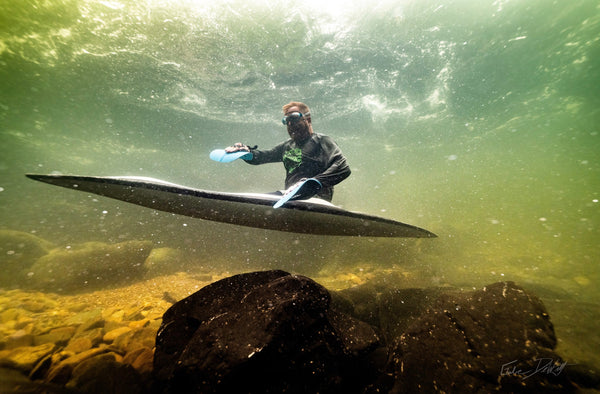
Gabe DeWitt: Adventure Photography, Light, and Outdoor Storytelling
Sep 19, 2024
Let Curiosity Shape the Photograph
Adventure photography becomes more purposeful when you can explain why the light, viewpoint, or moment matters. Start with what caught your attention, then choose a composition that makes it visible. A striking location helps, but the photograph still needs a clear relationship between subject, light, and surroundings.
Gabe DeWitt is an engineer, artist, mountaineer, maker, and wanderer. Beneath those titles is a recurring question: why? Why does light fall this way? How do shadows, reflections, shapes, and textures change when the viewpoint shifts? That curiosity connects his creative practice with his interest in the outdoors.

Who Is Gabe DeWitt?
Engineer, Artist, and Mountaineer
With a formal engineering background and P.E. credentials identified in the original profile, Gabe brings technical understanding to a practice that also leaves room for impulse and feeling. See his LinkedIn profile.
Mountain Roots and a Multidisciplinary Practice
Born in Morgantown, West Virginia, Gabe draws inspiration from landscapes, travel, wilderness, water, and the night sky. His work spans painting, sculpture, photography, and mixed media, using materials including wood, concrete, steel, ink, watercolor, acrylic, and digital imagery. Explore his portfolio at WV-Art and his Appalachian Observations archive.
Publications and Recognition
The original profile lists work featured in National Geographic, Nature, Kayak Session, Paddling Magazine, and Rock & Ice, and reports a 2018 Best Short Film award at the Paddling Film Festival using his Outex setup. Those are retained profile references, not a newly verified awards record. Further portfolio context is available at WV-Art.

Practical Ways to Develop an Outdoor Photograph
The following is Outex editorial guidance, not newly attributed instruction from Gabe or a transcript of the featured video.
Identify what the light is revealing
Look for how light defines texture, separates a subject, or changes the mood of a familiar place. Decide which highlight or shadow matters before adjusting the frame. Check important bright areas in a test photograph rather than relying only on the scene’s appearance to your eyes.
Compare viewpoints from suitable positions
A small change in height or angle can alter overlapping shapes, reflections, and the relationship between foreground and background. Compare a few compositions without stepping into unstable terrain or moving closer to a hazard. The viewpoint must fit your training and the conditions, not the other way around.
Choose what motion should communicate
Decide whether moving water, a person, or another element should appear defined or blurred. Test shutter speed, stability, and focus together, then inspect the part of the frame that carries the story. Neither a fast shutter nor a tripod solves every cause of an unclear image.
Build a sequence that connects scale and detail
Pair a wider environmental view with a closer study of texture, gesture, or activity. Include a frame that explains the human relationship with the place when appropriate. Select images with different purposes rather than repeating the same viewpoint.
Make color and exposure deliberate across devices
When combining camera and phone images, compare white balance, exposure, contrast, and the intended visual treatment. Similar editing choices can help a sequence feel coherent, but a housing does not make different sensors or lenses produce identical files. Review the actual output from each device.
Explore the nature and wildlife photography guide for observation and composition, or the documentary photography guide for building a visual narrative.
Outex in Gabe’s Camera Workflow
The original story connects Gabe’s Outex use with outdoor and underwater image-making around rivers, waterfalls, snowfields, and remote terrain. Equipment preparation supports the photographic task; it does not remove the need to assess weather, access, exposure to hazards, or personal limits.
- Configuration: confirm the exact camera, lens, cover, port, and accessories rather than assuming universal fit.
- Optical preparation: inspect test images for focus, reflections, framing, and vignetting. Glass ports do not guarantee zero change in sharpness, contrast, or color.
- Working controls: test the functions and viewing access you need through the complete assembly.
- Travel planning: account for the packed size and weight of the full kit, including supports, lighting, and other accessories.


Gabe has used Outex since the first-generation blue, nontransparent covers, before 2017, according to the original profile.
Phone Photography and Spontaneous Observation
The profile also discusses phone photography as part of Gabe’s everyday creative practice: noticing changing light, clouds, or reflections when a larger production is not the goal. A separate phone configuration needs its own fit and function checks. Do not assume a camera kit establishes phone compatibility or that any device is protected in every environment.
Test the selected lens view, shutter control, screen visibility, and the complete assembly before use. Follow the applicable rating and instructions for the exact components. Make equipment changes in a suitable dry area, following drying and opening procedures.

Watch the Featured Video
In His Own Words
“Everything in our observable universe can be boiled down to one simple question—Why? From the curiosity of a child to the most focused minds on the planet, this is the fundamental question.”
For a photographer, that question is useful before pressing the shutter: why this angle, this light, this relationship between forms? The answer can guide both the frame and the choice of equipment.

Prepare Your Own Setup
Review the camera installation instructions, test the complete setup, and inspect sample files before fieldwork. If you are selecting equipment, explore the current Camera Pro Kit options and confirm camera, lens, port, and accessory requirements before ordering.
A housing does not insulate a device against every temperature, provide protection beyond its applicable rating, or make a hazardous location safe. Let curiosity guide the visual idea while suitable conditions, preparation, and appropriate expertise guide the production.